
Christopher O'Grady
Architectural & Interior Photographer in Singapore
Hotel Photographer
360 Virtual Tours



Interior Photographer in Singapore
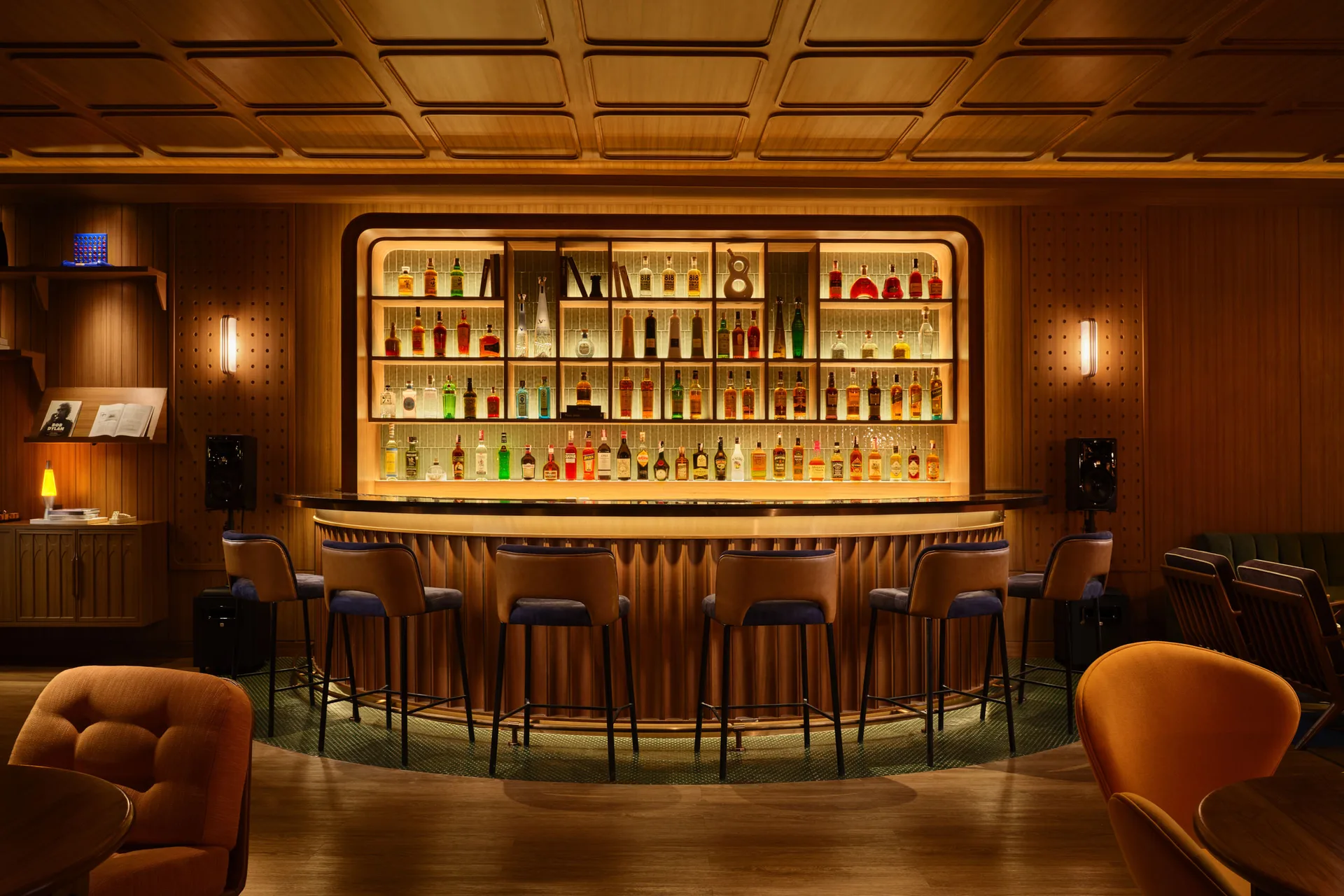
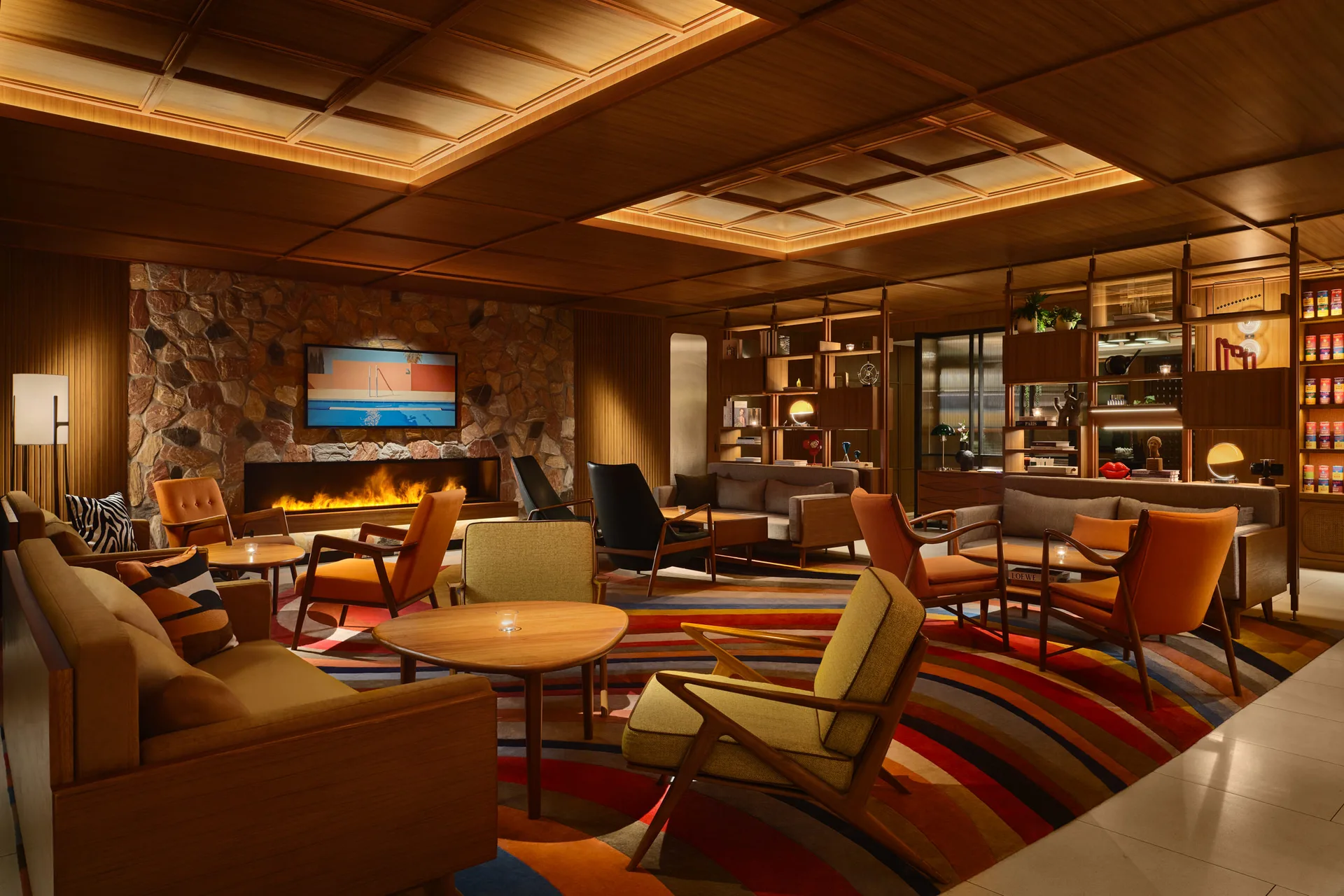
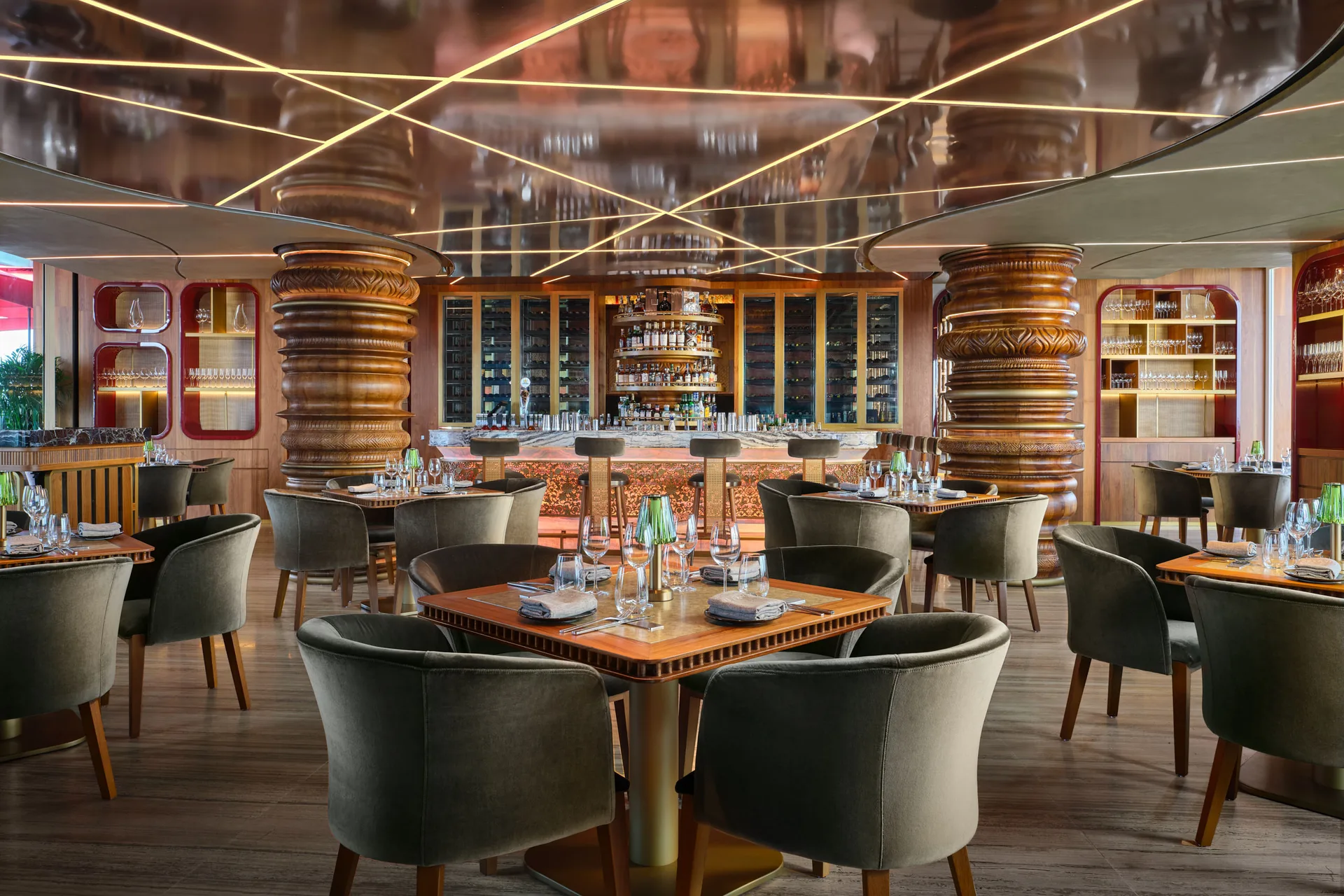
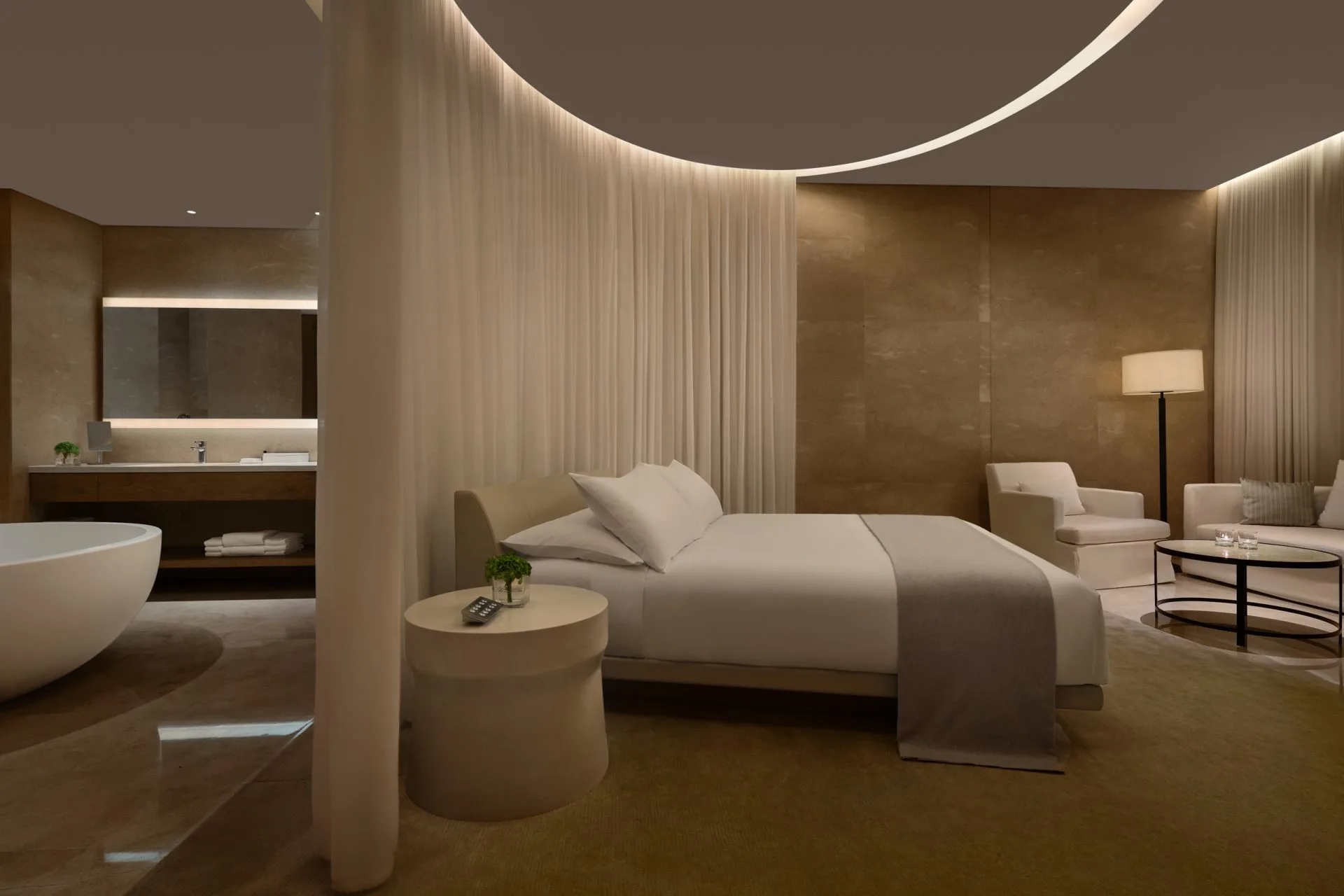
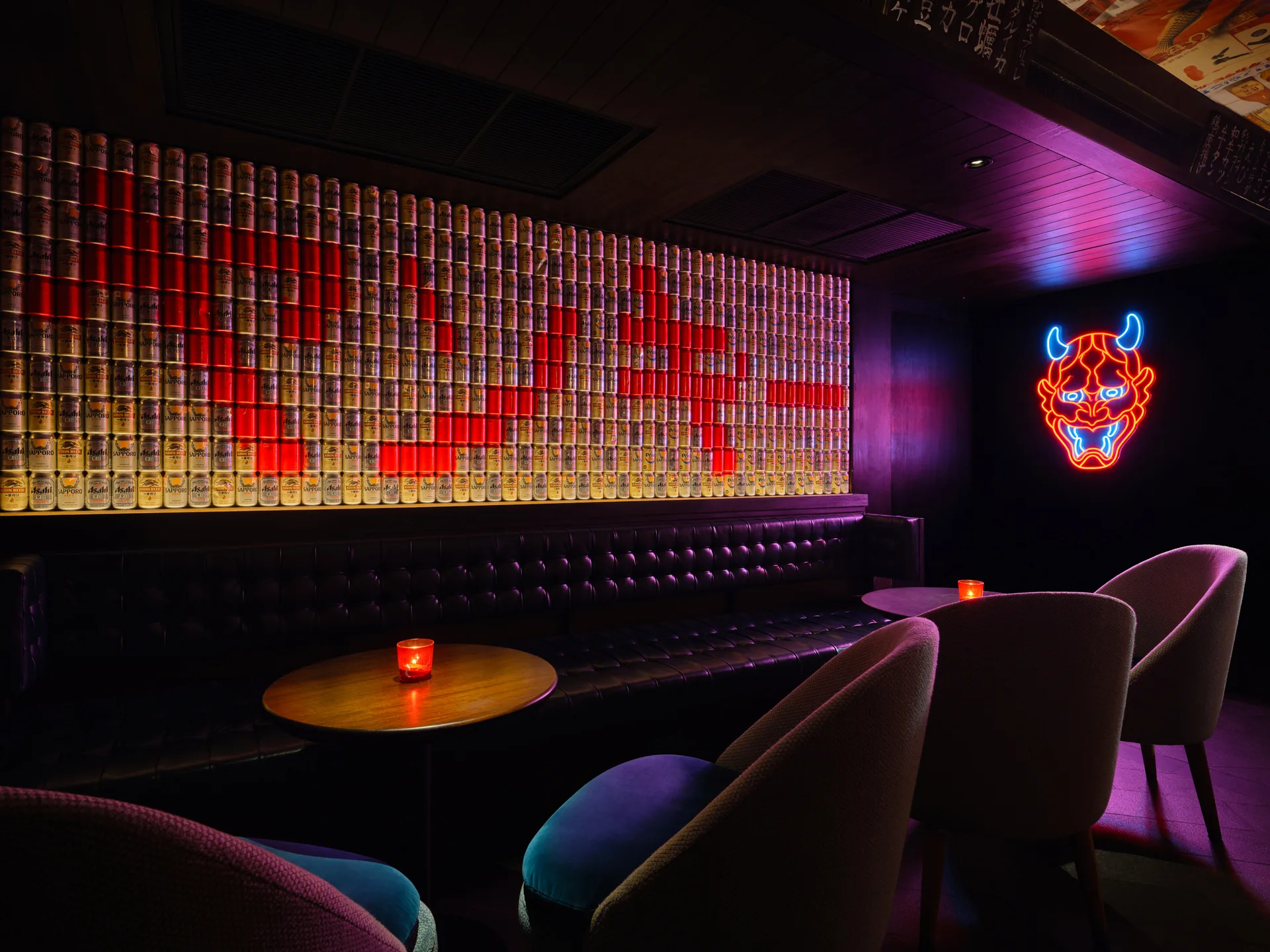
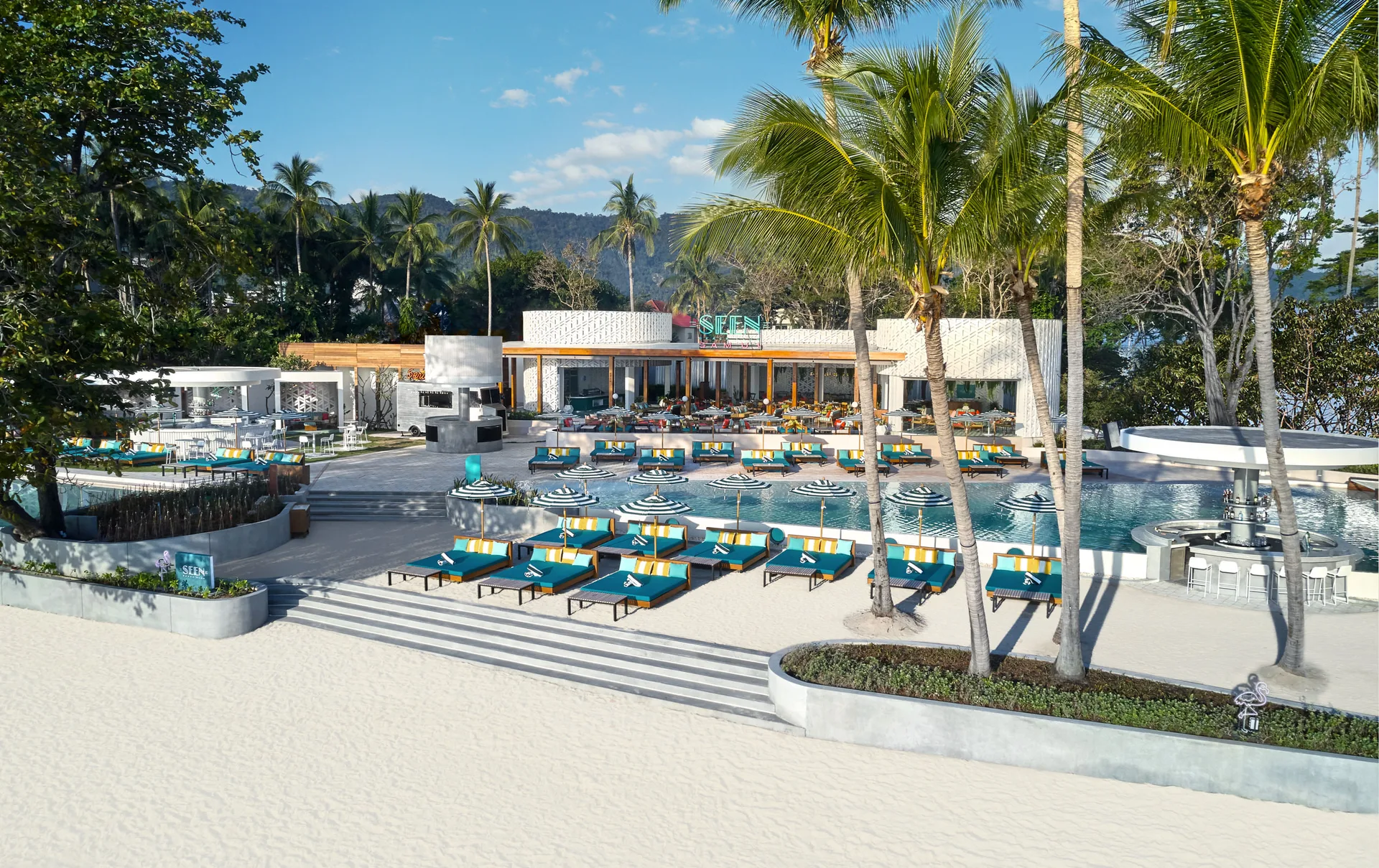
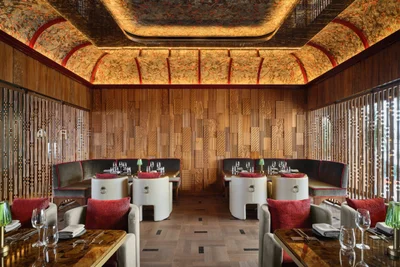
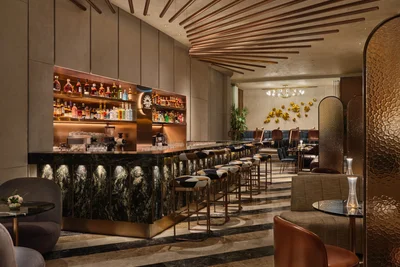
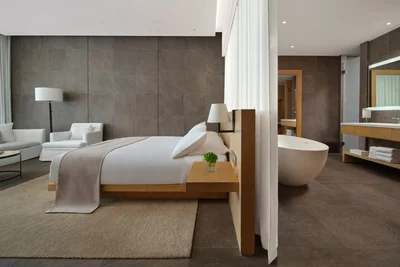
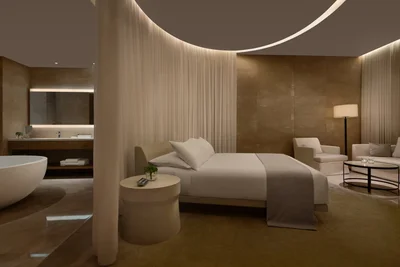
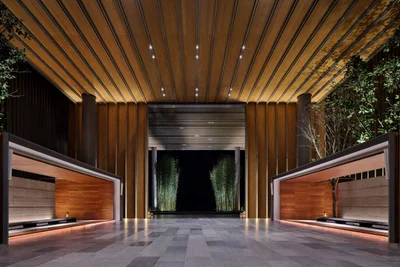
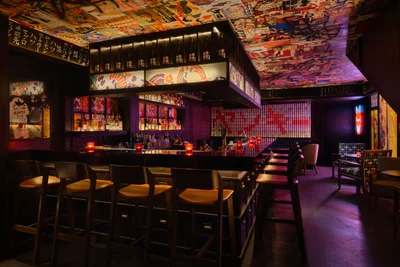
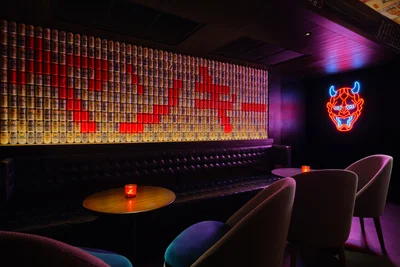
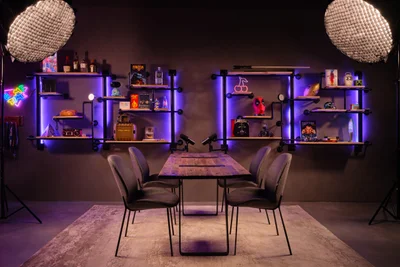
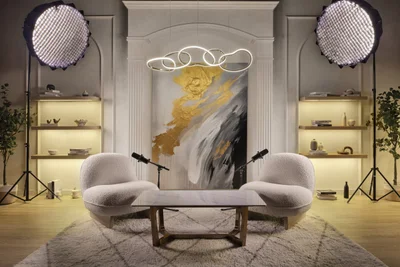
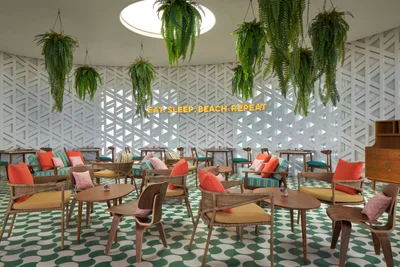
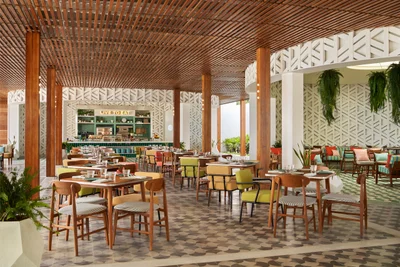
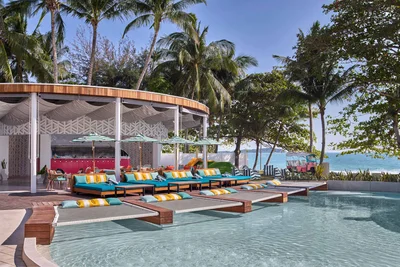
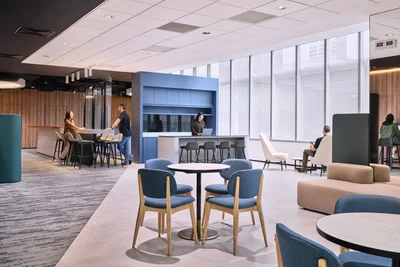
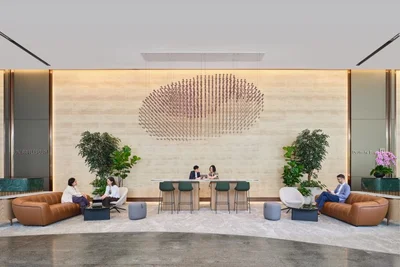
I am an architectural and interior photographer in Singapore, creating interior photography for hospitality, workplace, residential, and commercial projects. I photograph hotels, restaurants, workplaces, and residential interiors in Singapore and across Asia. I work with interior designers and architects to document their work and marketing teams to create images that match their brand and sell their spaces.
I specialise in highly produced interior photography with a focus on lighting. My background is in hospitality interiors where every image is a hero. I work with highly demanding clients who expect perfection in every photo, from composition and styling to post-production and retouching.
Read more
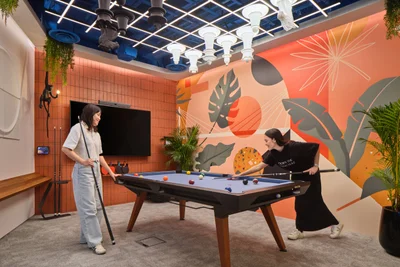
Interior photography is about showing how a space works: its layout, lighting, materials, furniture, atmosphere, and details. I photograph hospitality, workplace, residential, and commercial interiors for clients who need polished images of completed spaces.
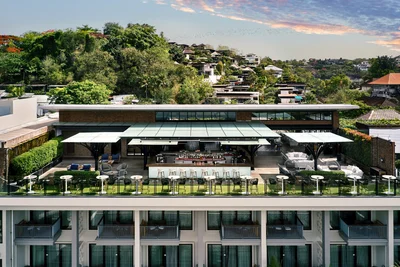
Architectural photography focuses more on the structure, form, and relationship between a building and its surroundings. My work sits between the two: I photograph architecture and interiors with an emphasis on light, composition, atmosphere, and how people understand a space through images.
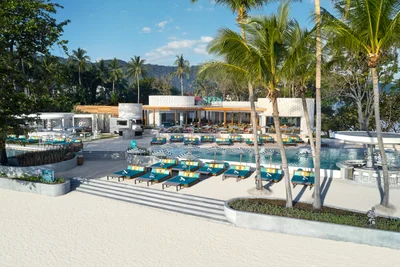
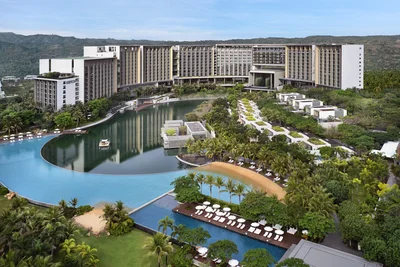
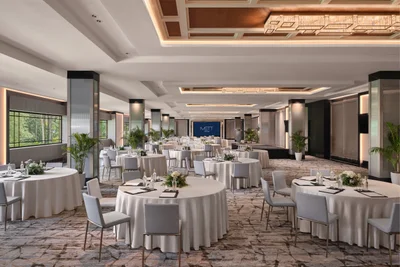
Hotel and hospitality interior photography requires a wider approach. A hotel shoot may include rooms, suites, restaurants, bars, lobbies, meeting spaces, spas, pools, and exterior views. These projects usually involve planning, styling, lighting, and a clear shot list so the final images can support marketing teams, booking platforms, PR, and brand use.
I work with medium format digital camera systems and tilt-shift lenses for architectural and interior photography. This keeps lines controlled, files detailed, and images suitable for commercial use across web, print, PR, awards, and large-format media.
For more detail, visit my architectural photography page or browse selected interior photography projects.
360 Virtual Tours in Singapore and Worldwide
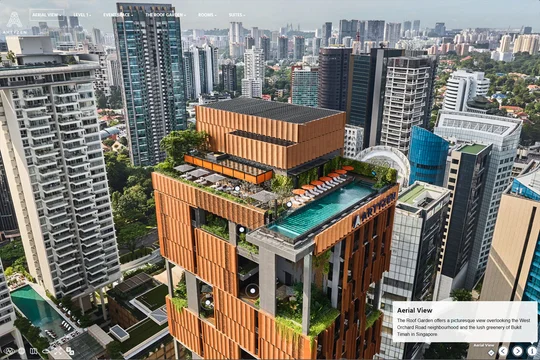

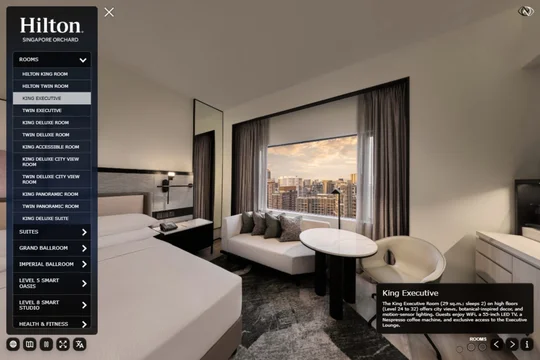

360 Virtual Tour Services in Singapore
I am a full service 360 Virtual Tour provider with over 10 years of experience. I design and build custom 360 virtual tours for hotels, campuses, and commercial properties. Each tour is custom-coded with interactive navigation, multi-language support, and direct-linking capabilities.
Read more
360 VR Virtual Tour Features
Creating a virtual tour starts with photography, but the end-user experience is shaped by the web interface. My software development team can integrate custom features and functions into the tour, ensuring each tour is tailored to meet the specific needs of my clients.
I offer a variety of key features for clients to choose from, including intuitive menu systems, detailed description boxes, diverse waypoint types, informative information boxes, engaging video popups, and interactive floorplans. These features enhance the user experience, making it easier for viewers to navigate and explore the tour.
In addition to these standard options, I welcome requests for custom features. Whether it's a unique navigation method, specialized content displays, or any other creative idea, I can incorporate nearly any client vision into the virtual tour. My goal is to provide a flexible and immersive experience that exceeds expectations and showcases the location in the best possible light.
By working closely with clients throughout the development process, I ensure that the final product not only meets but also enhances their marketing and operational objectives. This collaborative approach results in 360 experiences that are not only visually stunning but also highly functional and engaging for users.
Recent Work
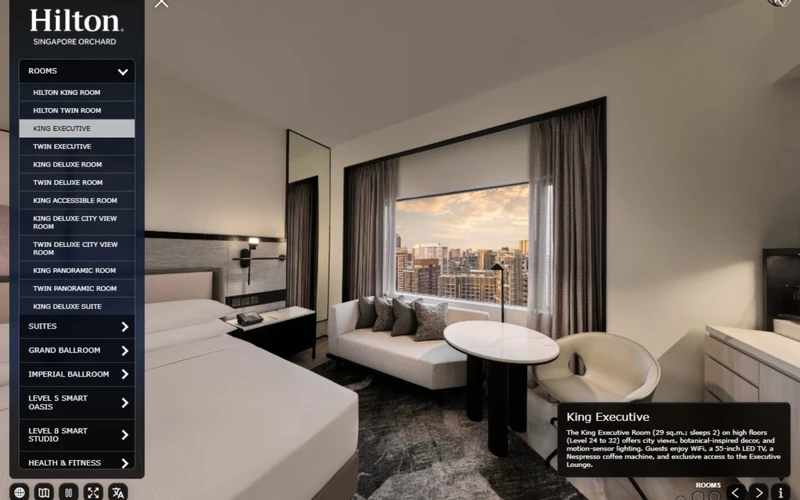
Hilton Singapore Orchard 360 Virtual Tour
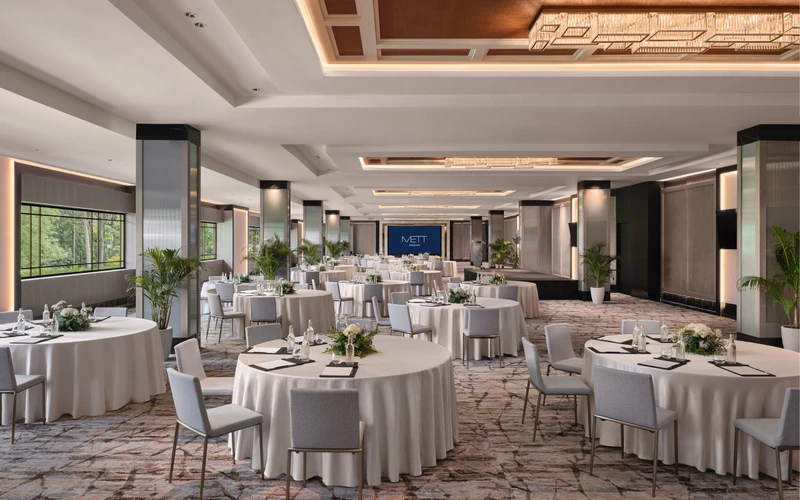
Function Room Photography at METT Singapore
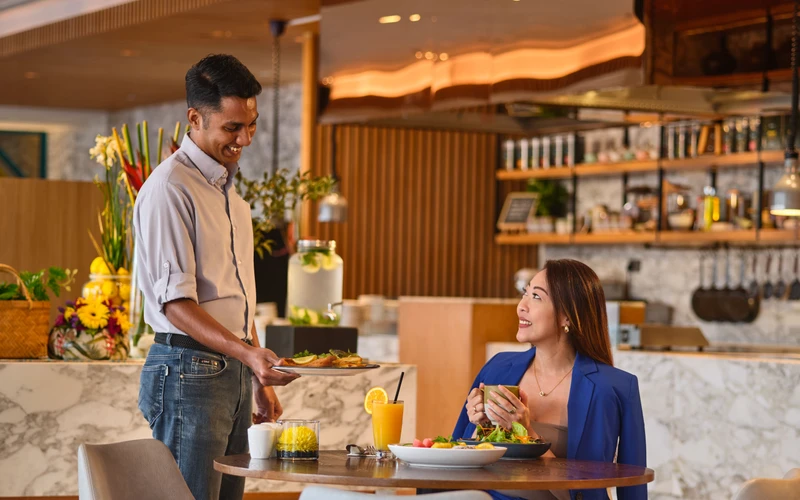
Hilton Garden Inn Singapore Serangoon - Hotel Lifestyle Photography
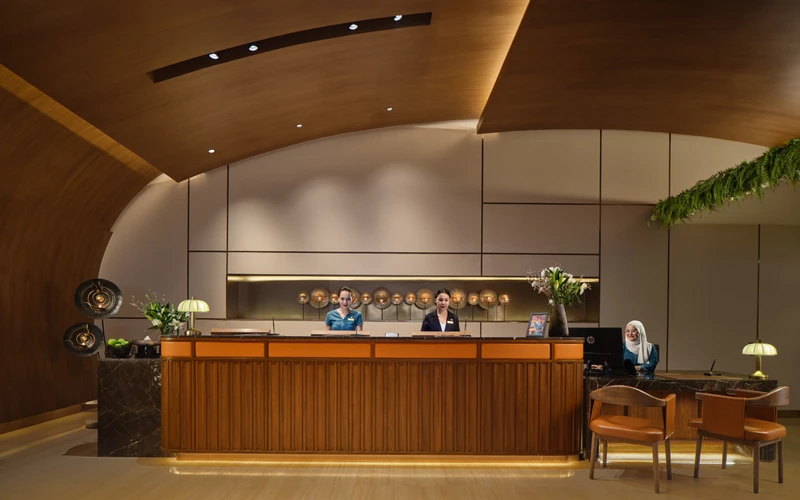
Fraser Suites Sukhumvit - Hospitality Design Photography
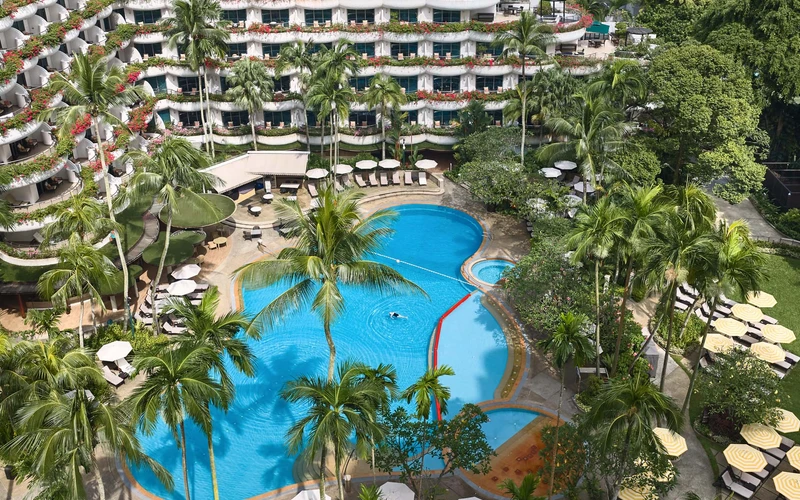
Shangri-La Hotel Singapore - Aerial & Drone Photography
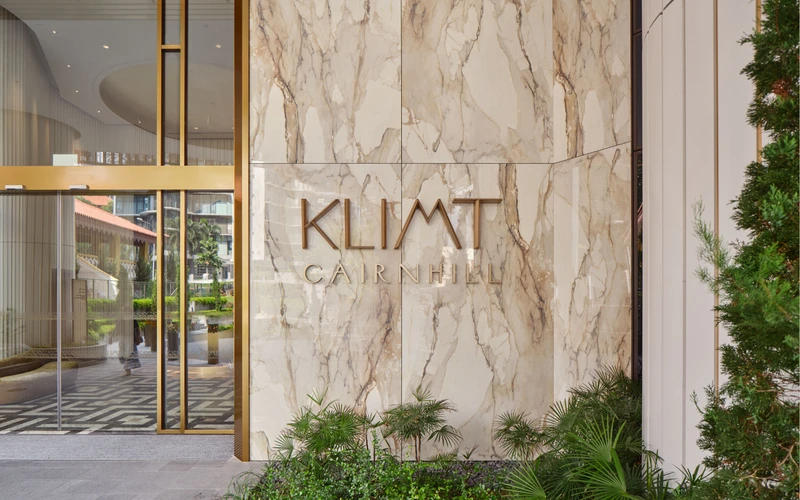
Architectural Photography for Atlas Concorde at Klimt Cairnhill in Singapore
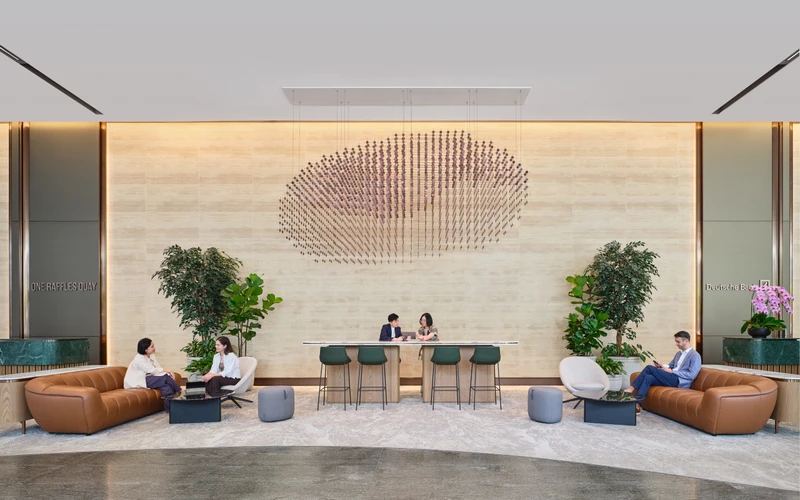
Architectural Photography - One Raffles Quay
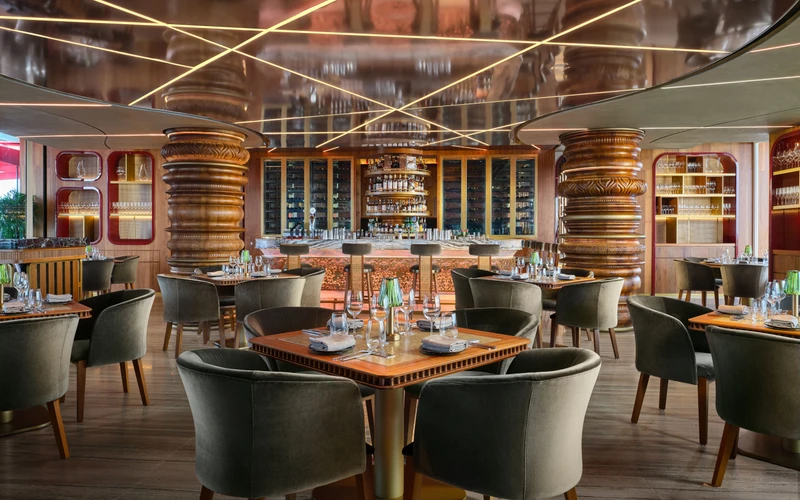
Ce La Vi Singapore - Commercial Interior Photography
Let's talk about your project.
Get in touch to discuss your photography or virtual tour requirements.
get in touch